The day before
Prepare and chill
Make suitable sauces and desserts, trim vegetables and check dietary labels. Read your chosen recipes for overnight soaking or chilling.
Christmas at the OPR table
The best Christmas lunch leaves room to enjoy the people around your table. Choose your main first, check its cooking and resting times, then work backwards from when you would like to eat. Make the sauces and a chilled dessert ahead, prepare what you can the day before, and give every tray a place in the oven. Our classic, vegetarian and vegan menus let everyone share in the celebration.
Find your Christmas recipesBefore the apron goes on
The day before
Make suitable sauces and desserts, trim vegetables and check dietary labels. Read your chosen recipes for overnight soaking or chilling.
On Christmas morning
Start with the longest-cooking dish. Follow your own oven timetable and the main recipe’s doneness checks, rather than a single timing for every menu.
Before you sit down
Rest the main as directed, finish the hot sides and dress salads at the last moment. Bring cold starters out just before serving.
Choose the centrepiece first. Write down its oven temperature, cooking and resting times, then work backwards from the time you want to sit down.
Put the empty trays and dishes in the cold oven before the day. Allow space for hot air to circulate; a crowded oven can slow cooking.
Give every dish a start time, oven shelf and serving dish. Include preheating, resting, cooling and chilling, not just the cook-time badge.
Cranberry sauce can be made up to two days ahead and refrigerated. Choose a make-ahead pudding too, allowing its full chilling time.
Peel potatoes the day before, cover with cold water and refrigerate. Drain well before cooking. Keep washed and trimmed vegetables covered and chilled.
Set out platters, bowls and serving spoons with a note of what goes in each. It is one less decision to make when everything is ready.
Use separate utensils and roasting tins. Check stock, pastry, mincemeat and spread are vegan, and cheeses are labelled vegetarian.
Follow the packaging for your exact joint or bird and allow plenty of time. Keep raw meat covered on the bottom shelf, away from ready-to-eat food.
For poultry, sausages, stuffing and thoroughly cooked dishes, check the centre reaches 70°C for 2 minutes or 75°C for 30 seconds. Colour alone is unreliable.
While a cooked roast rests, finish the potatoes and warm the plates. Keep resting and serving timings realistic so food does not sit out for long.
Ask someone to plate the starter, fill water glasses or bring sauces to the table. Put chilled dishes out just before eating.
Cool and refrigerate leftovers within 1–2 hours and eat within two days. Cool rice ideally within one hour and use within 24 hours. Reheat only once until steaming hot throughout.
Cooking and storage guidance: Food Standards Agency: cooking food and chilling food.
A place for everyone
Every menu has 10 starters, 10 mains, 20 sides and 10 desserts. Choose the dishes that suit your table; each opens a full recipe with its own visual guide.
50 recipes in the christmas table.
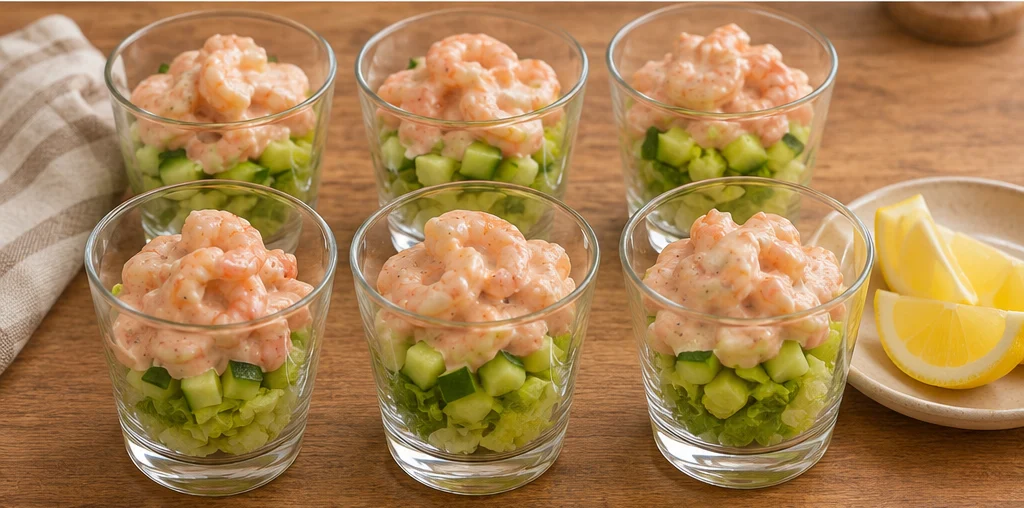
Serves 6 · 15 min prep & cooking
View the full recipe
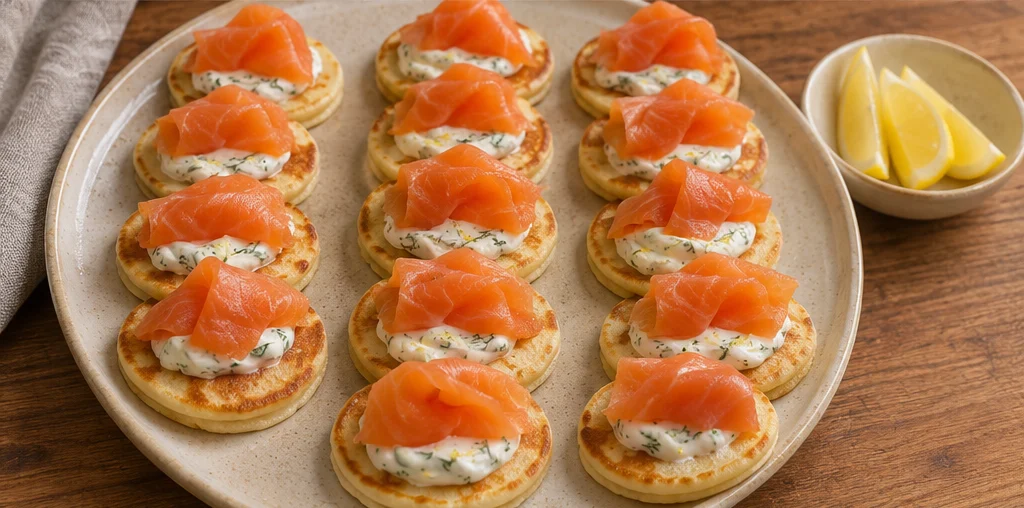
Serves 6 · 20 min prep & cooking
View the full recipe
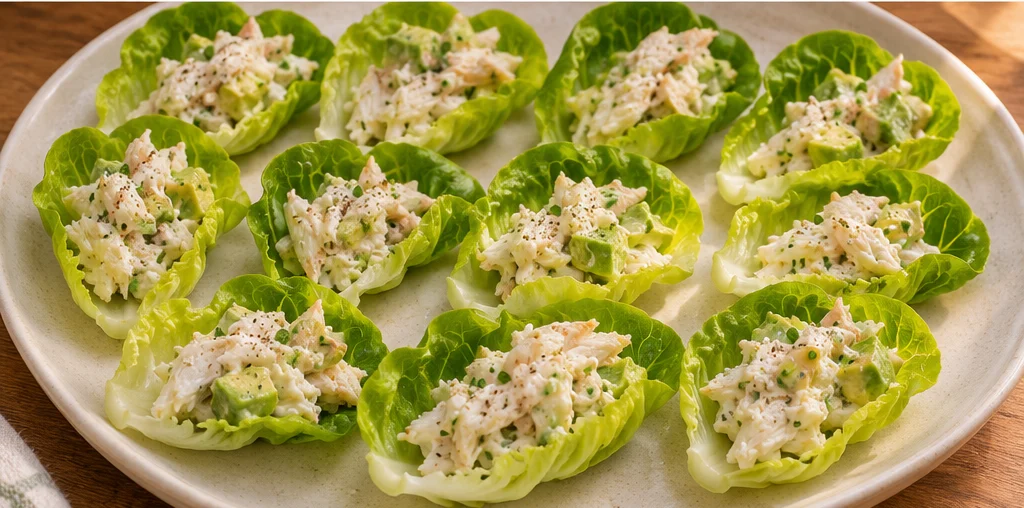
Serves 6 · 20 min prep & cooking
View the full recipe
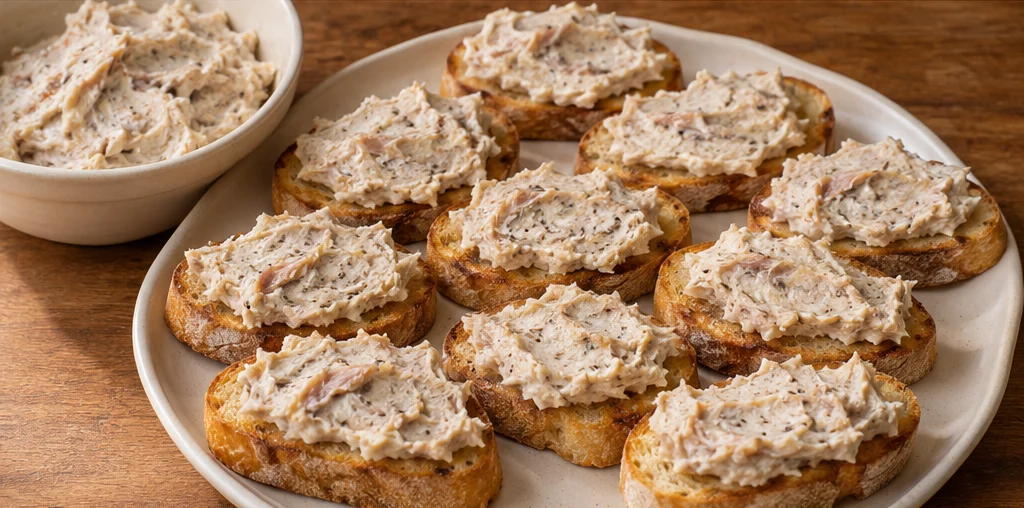
Serves 6 · 20 min prep & cooking
View the full recipe
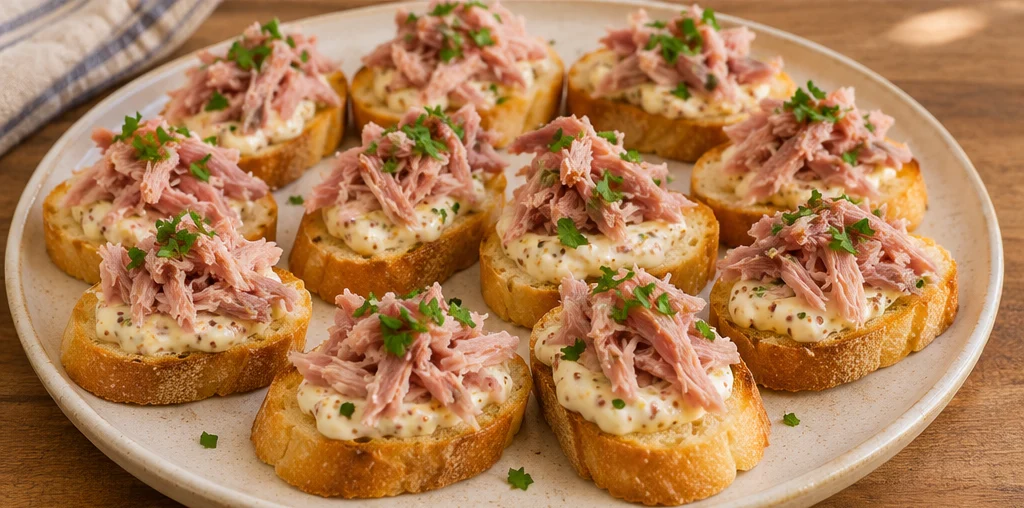
Serves 6 · 25 min prep & cooking
View the full recipe
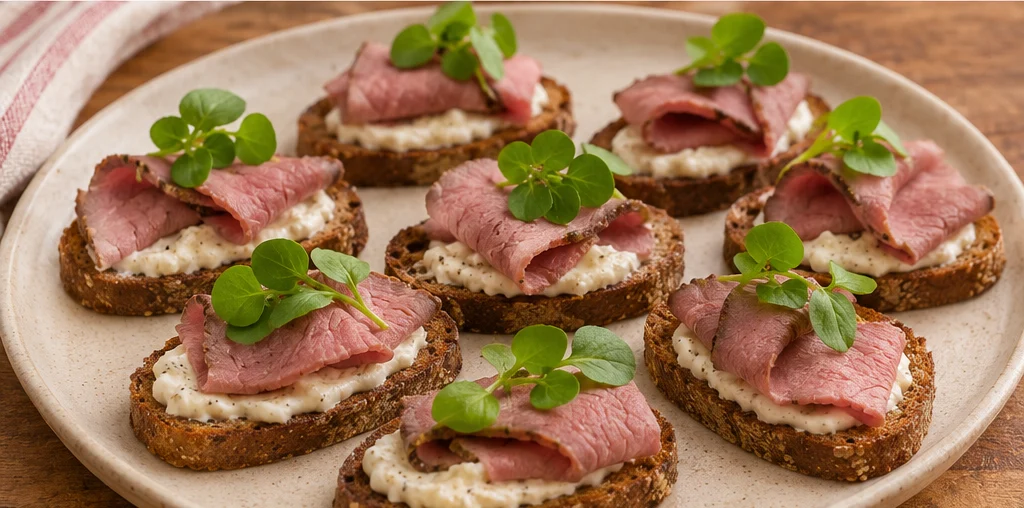
Serves 6 · 20 min prep & cooking
View the full recipe
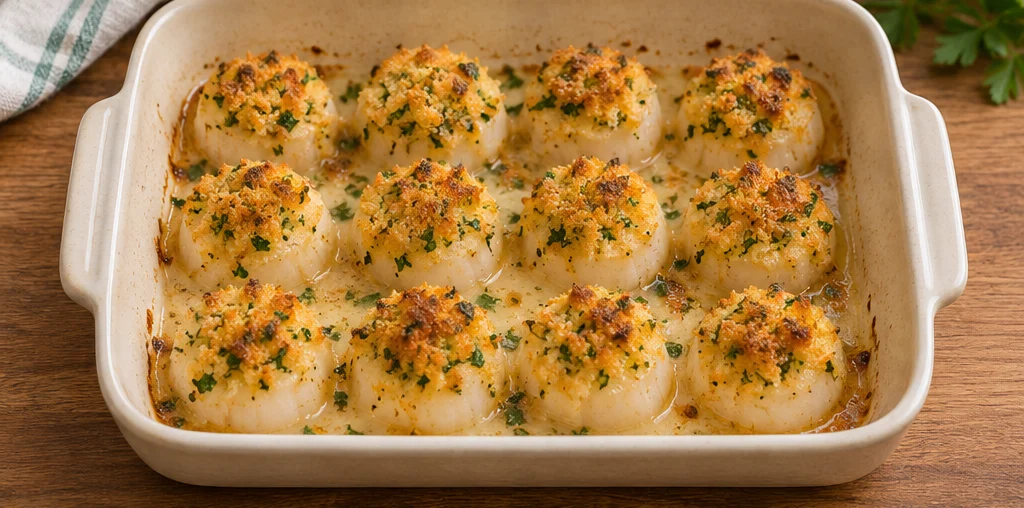
Serves 6 · 29 min prep & cooking
View the full recipe
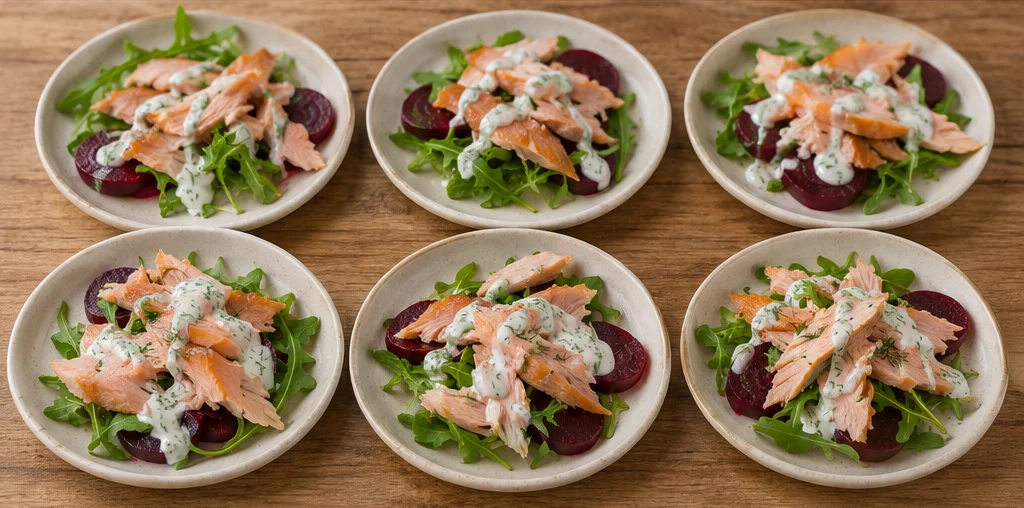
Serves 6 · 15 min prep & cooking
View the full recipe
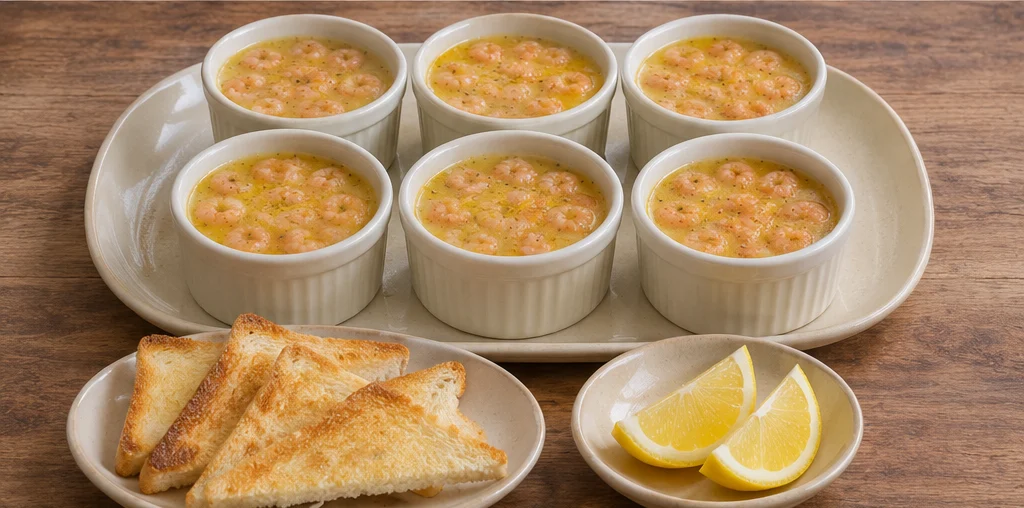
Serves 6 · 20 min prep & cooking
View the full recipe
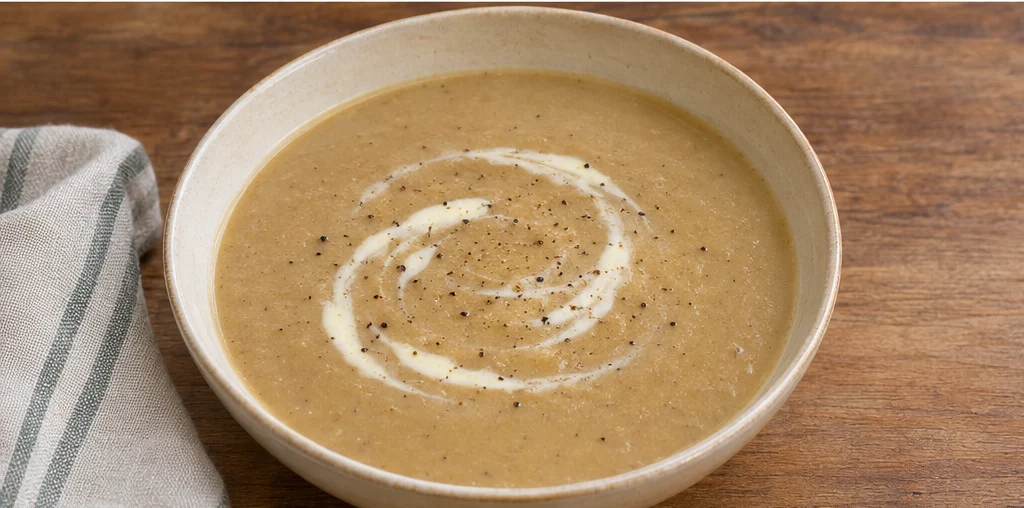
Serves 6 · 55 min prep & cooking
View the full recipe
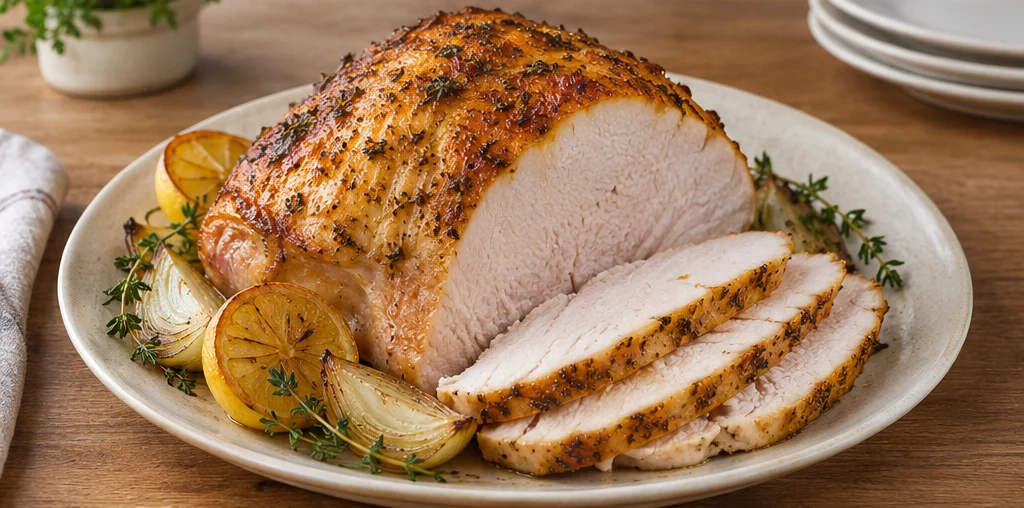
Serves 6 · 140 min prep & cooking
View the full recipe
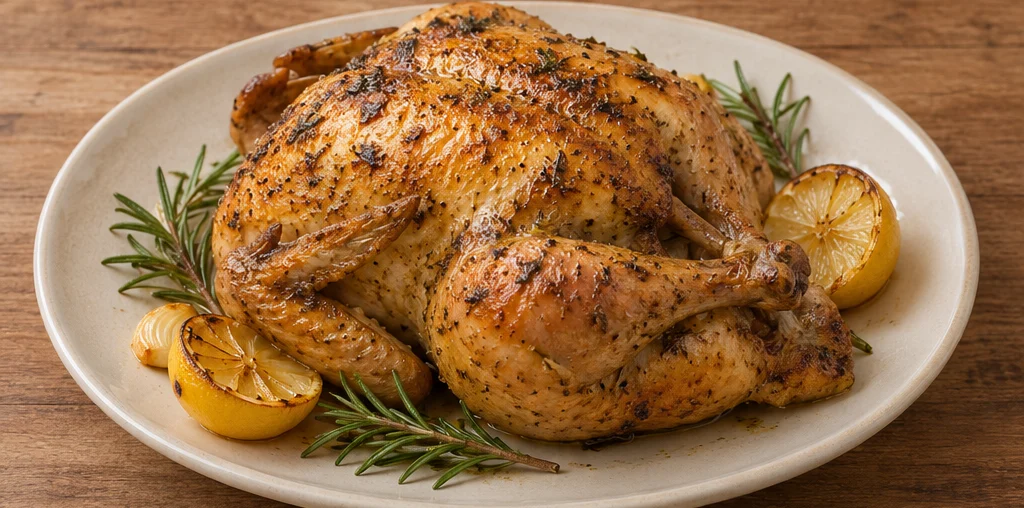
Serves 6 · 120 min prep & cooking
View the full recipe
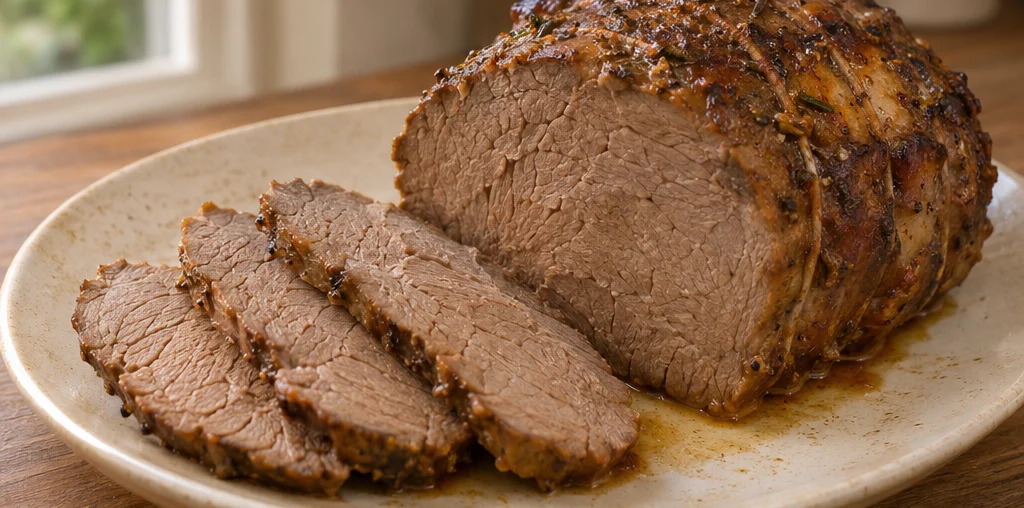
Serves 6 · 105 min prep & cooking
View the full recipe
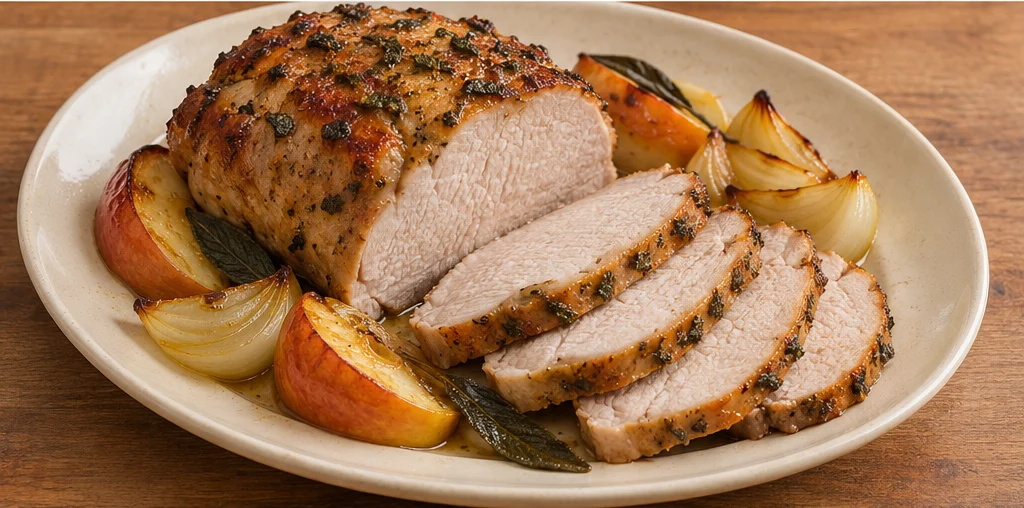
Serves 6 · 130 min prep & cooking
View the full recipe
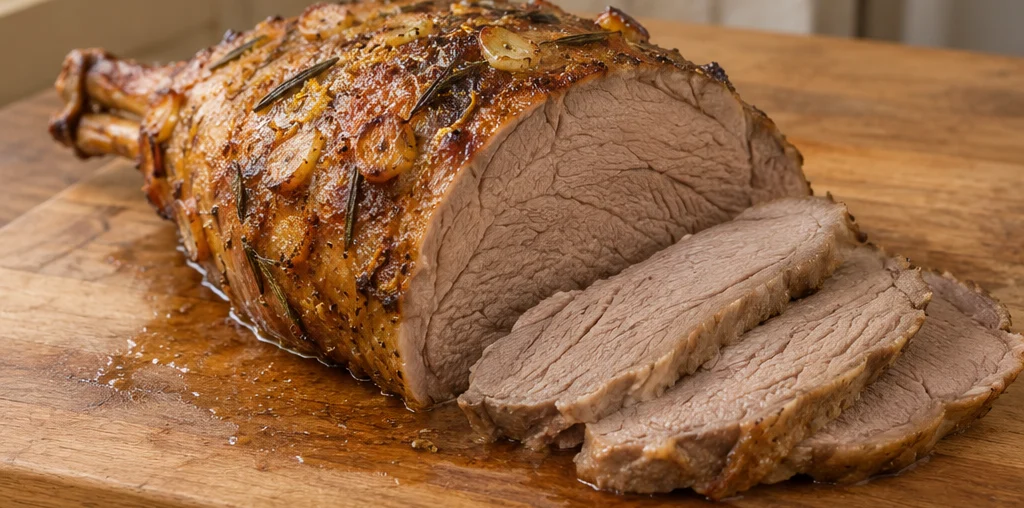
Serves 6 · 150 min prep & cooking
View the full recipe
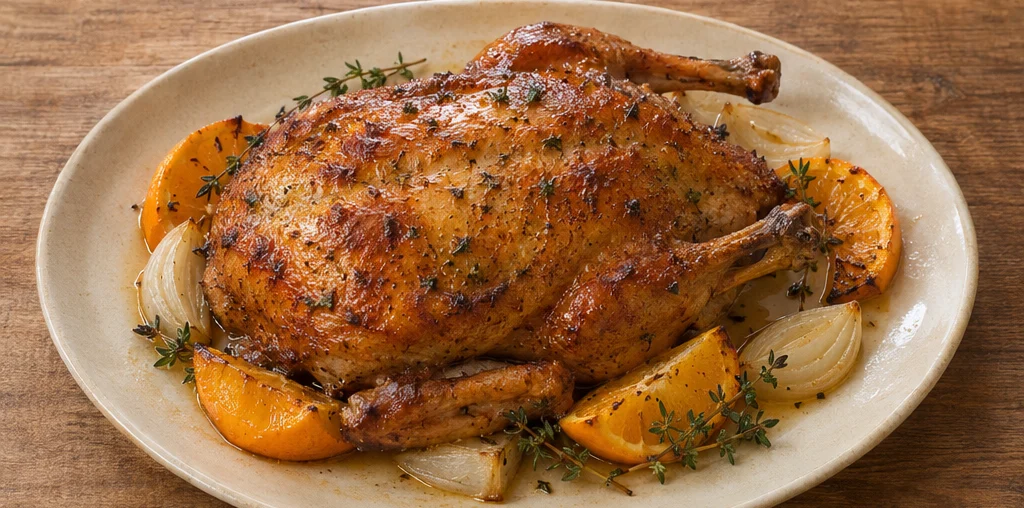
Serves 6 · 150 min prep & cooking
View the full recipe
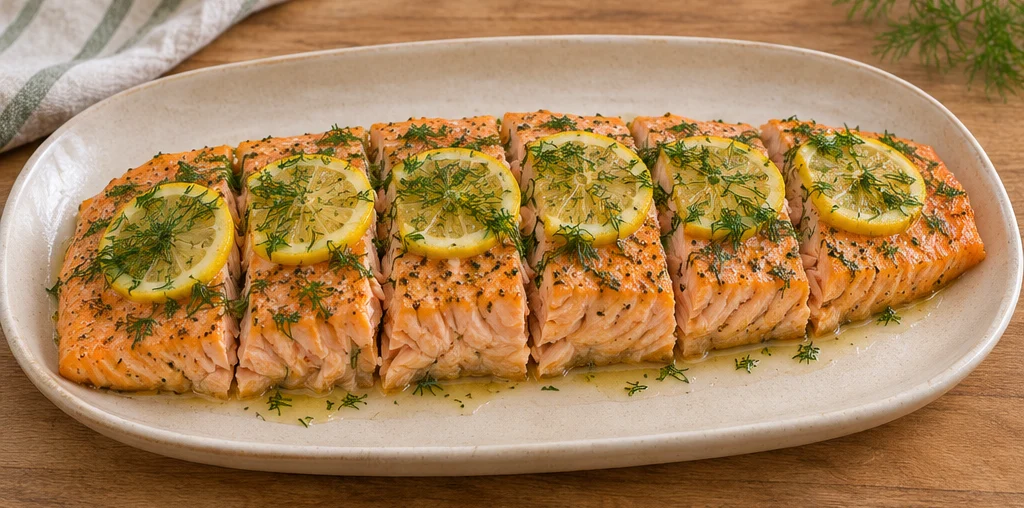
Serves 6 · 43 min prep & cooking
View the full recipe
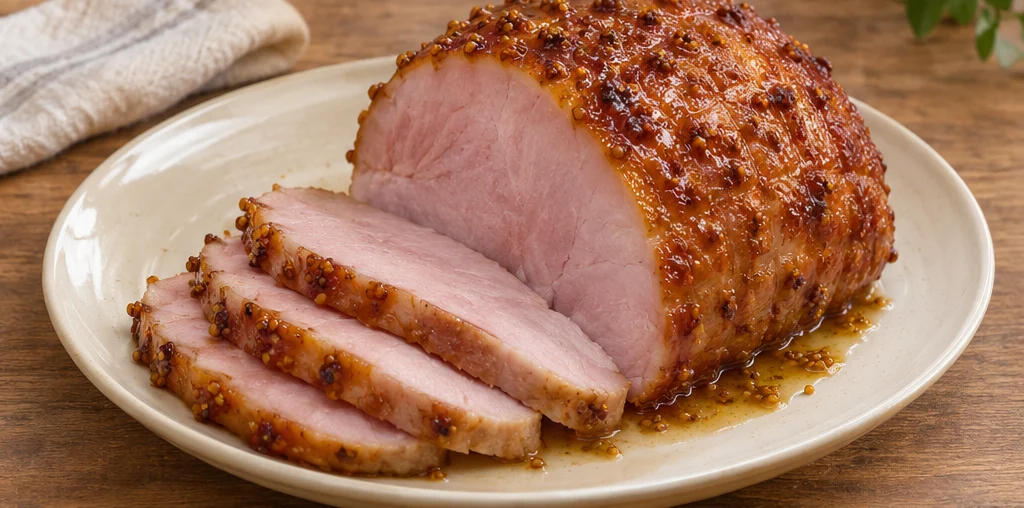
Serves 6 · 75 min prep & cooking
View the full recipe
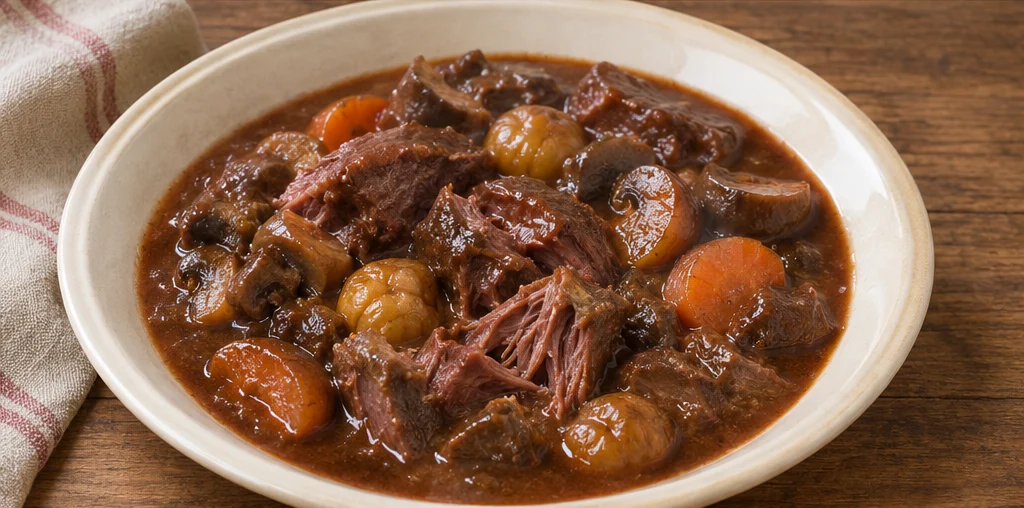
Serves 6 · 190 min prep & cooking
View the full recipe
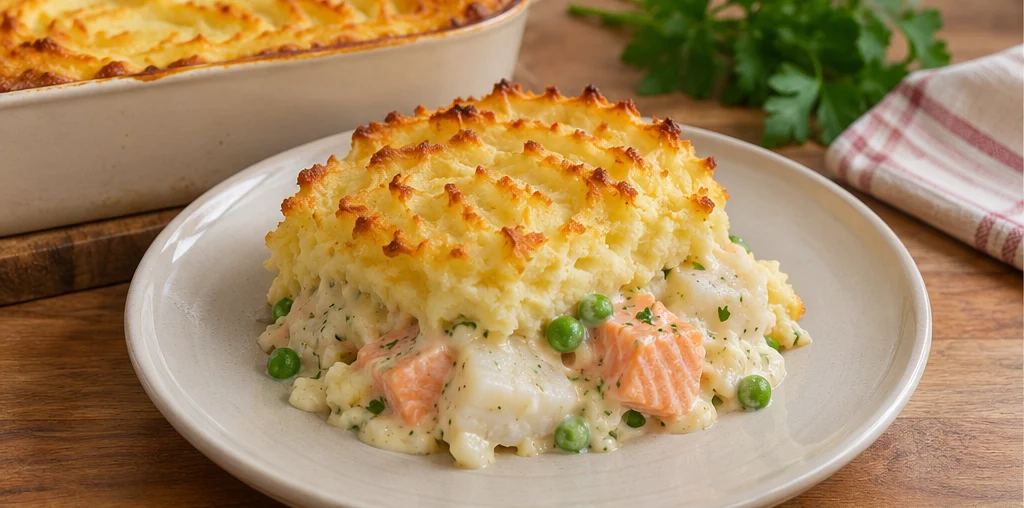
Serves 6 · 90 min prep & cooking
View the full recipe
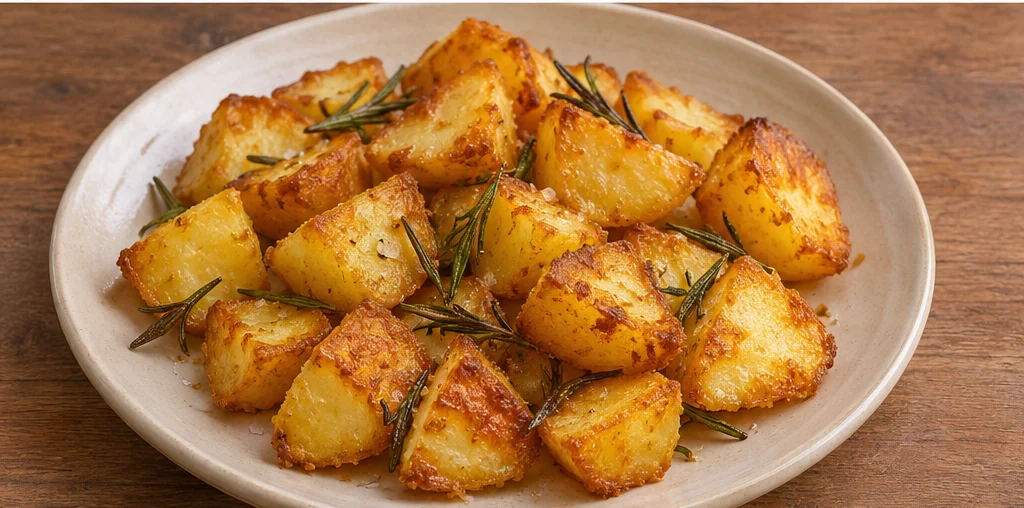
Serves 6 · 90 min prep & cooking
View the full recipe
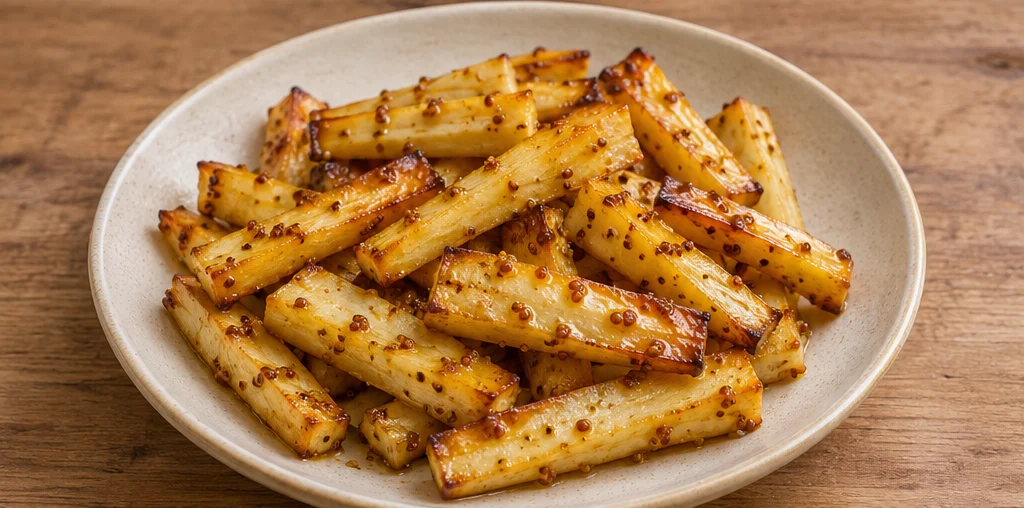
Serves 6 · 60 min prep & cooking
View the full recipe
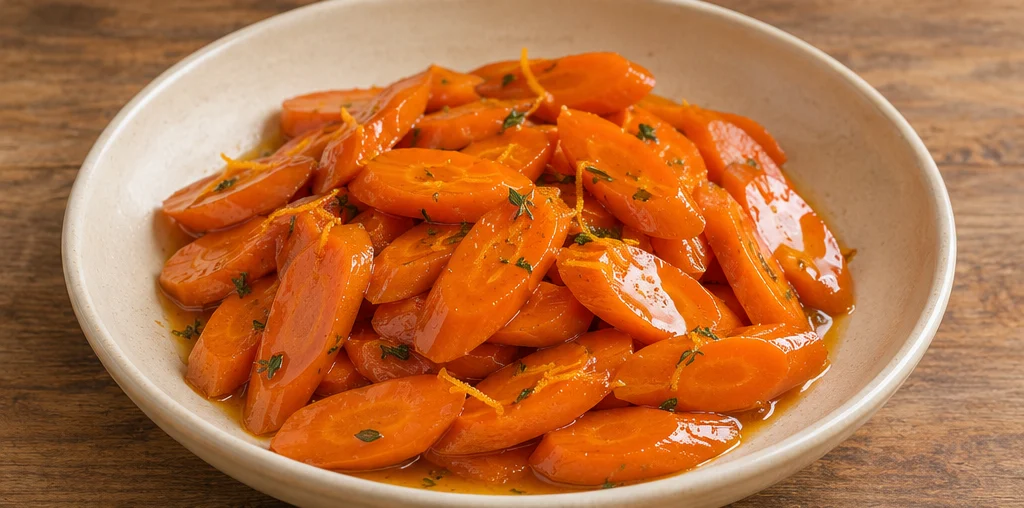
Serves 6 · 35 min prep & cooking
View the full recipe
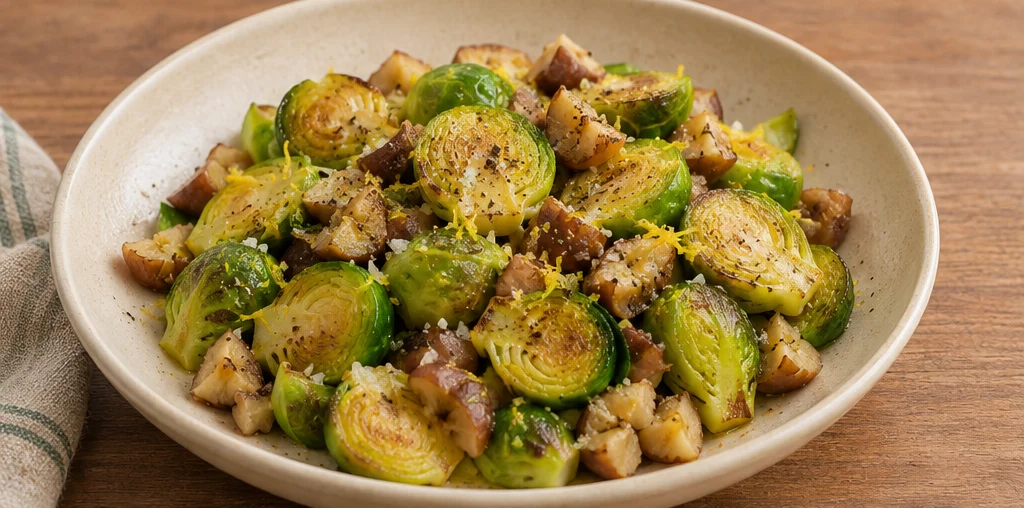
Serves 6 · 32 min prep & cooking
View the full recipe
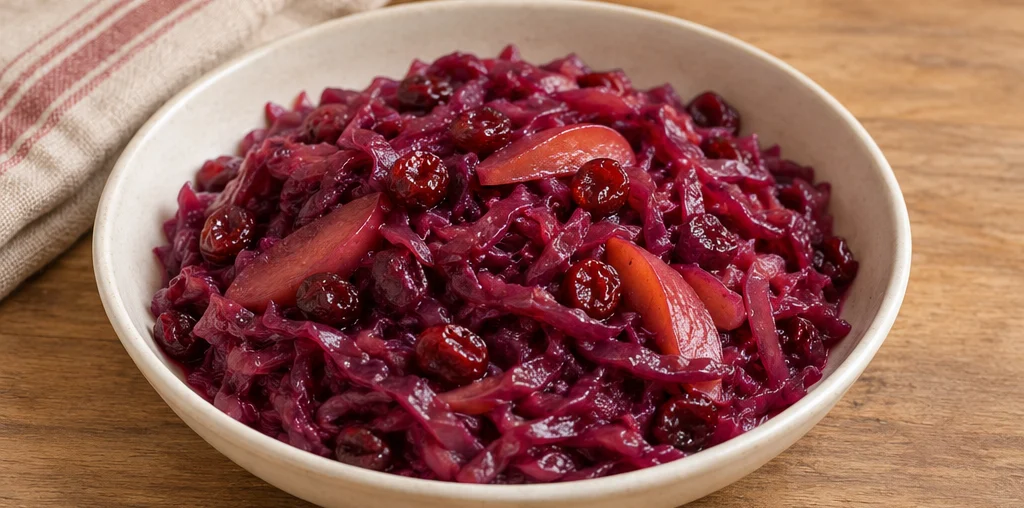
Serves 6 · 105 min prep & cooking
View the full recipe
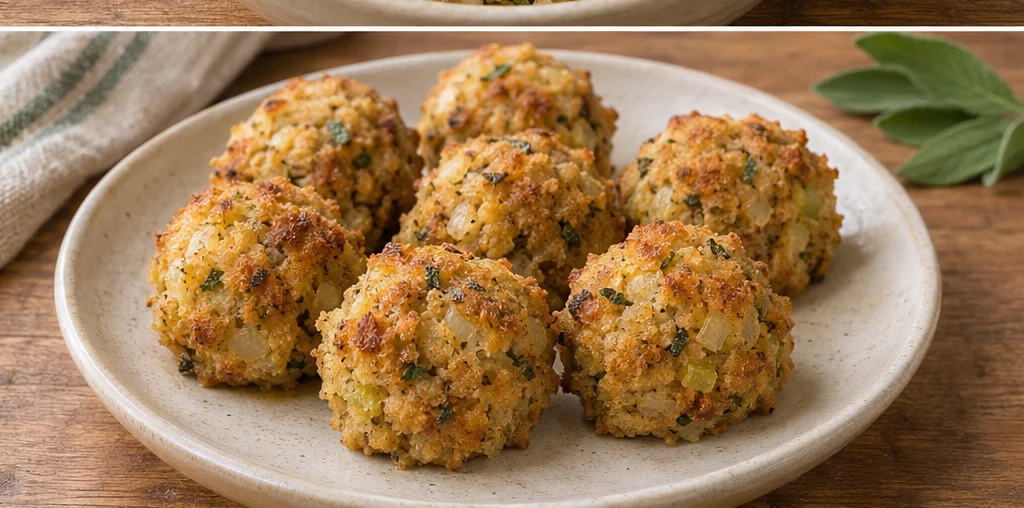
Serves 6 · 70 min prep & cooking
View the full recipe
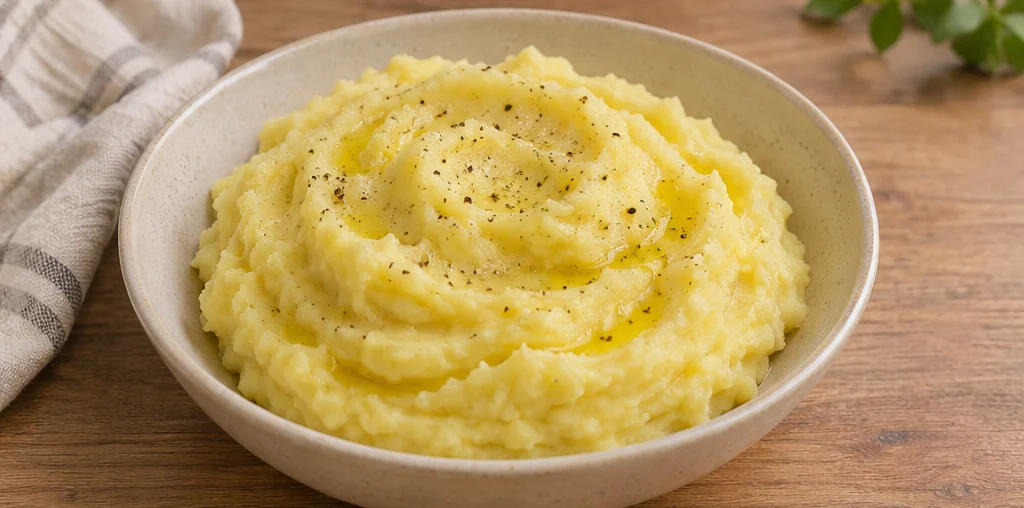
Serves 6 · 40 min prep & cooking
View the full recipe
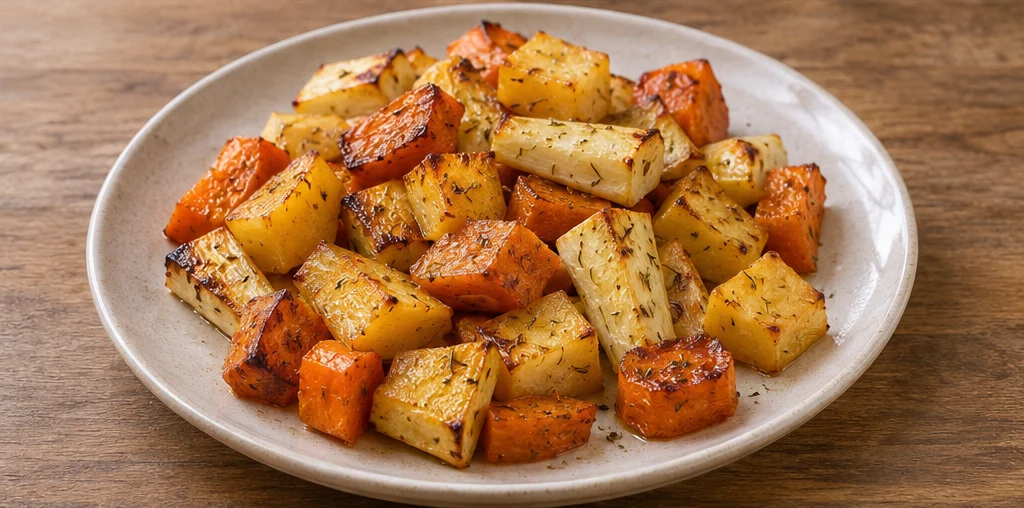
Serves 6 · 70 min prep & cooking
View the full recipe
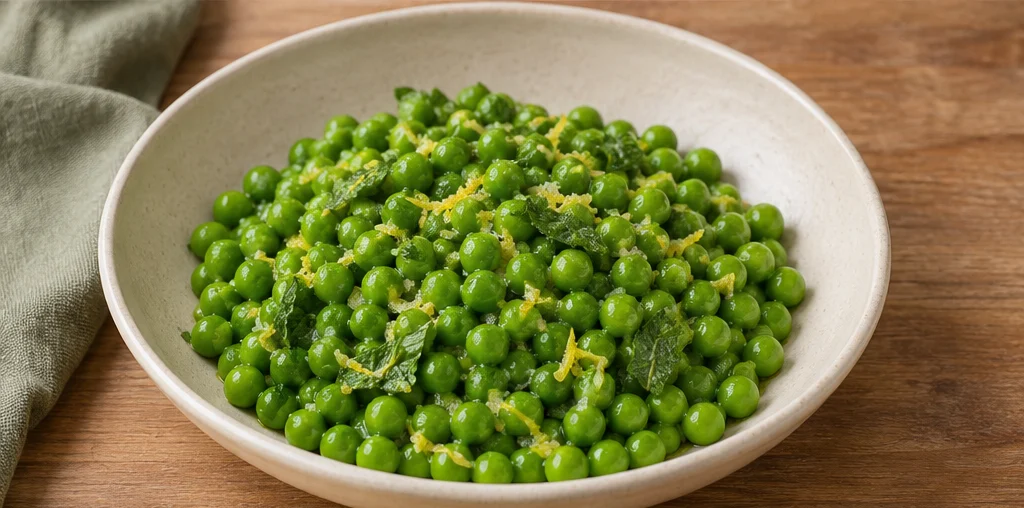
Serves 6 · 10 min prep & cooking
View the full recipe
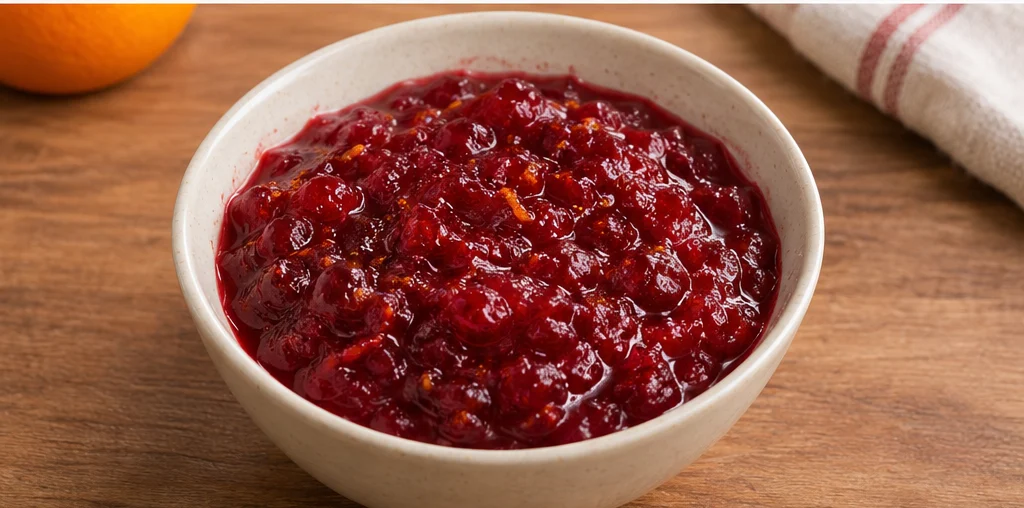
Serves 6 · 20 min prep & cooking
View the full recipe
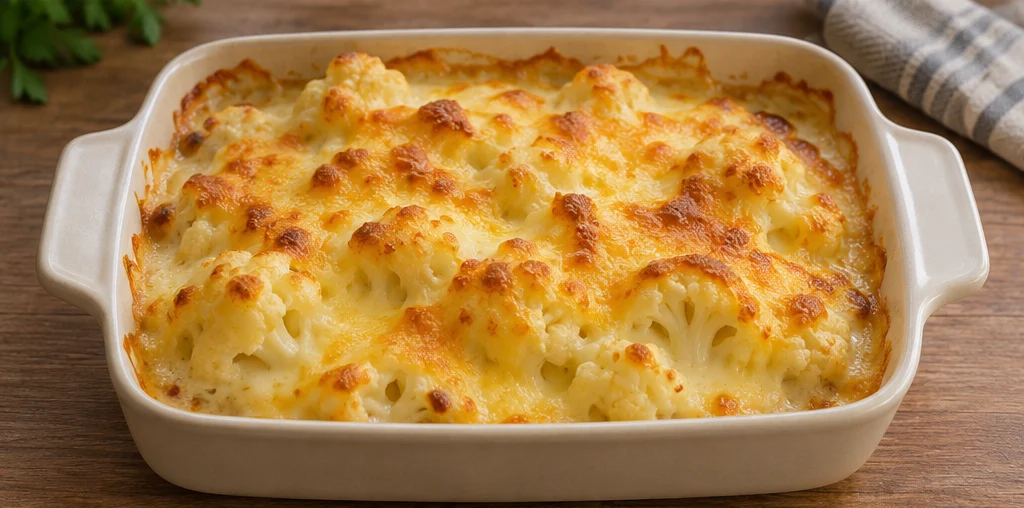
Serves 6 · 55 min prep & cooking
View the full recipe
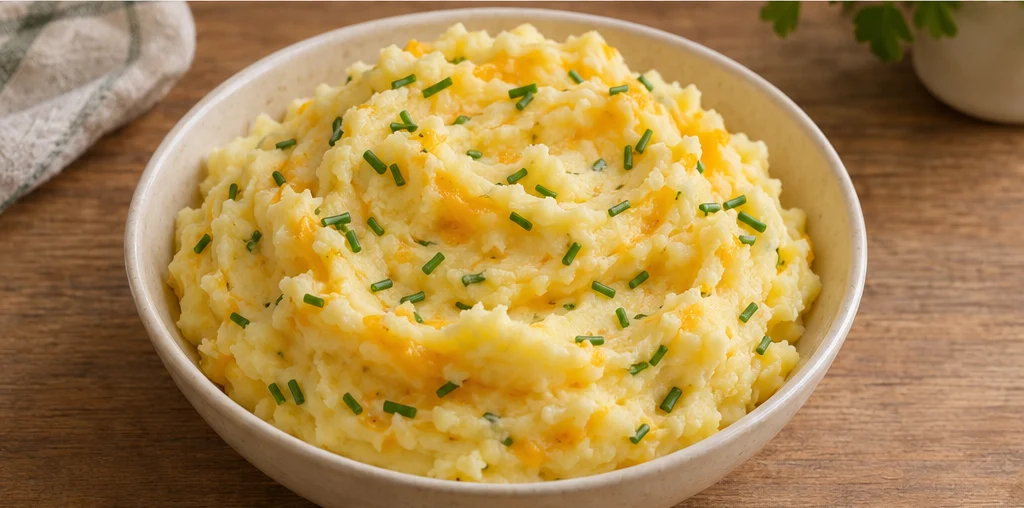
Serves 6 · 40 min prep & cooking
View the full recipe
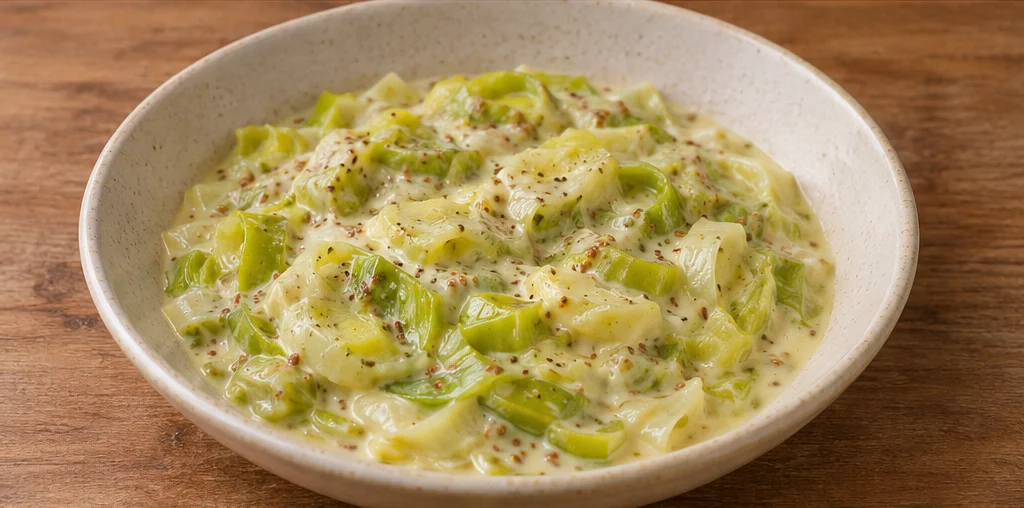
Serves 6 · 35 min prep & cooking
View the full recipe
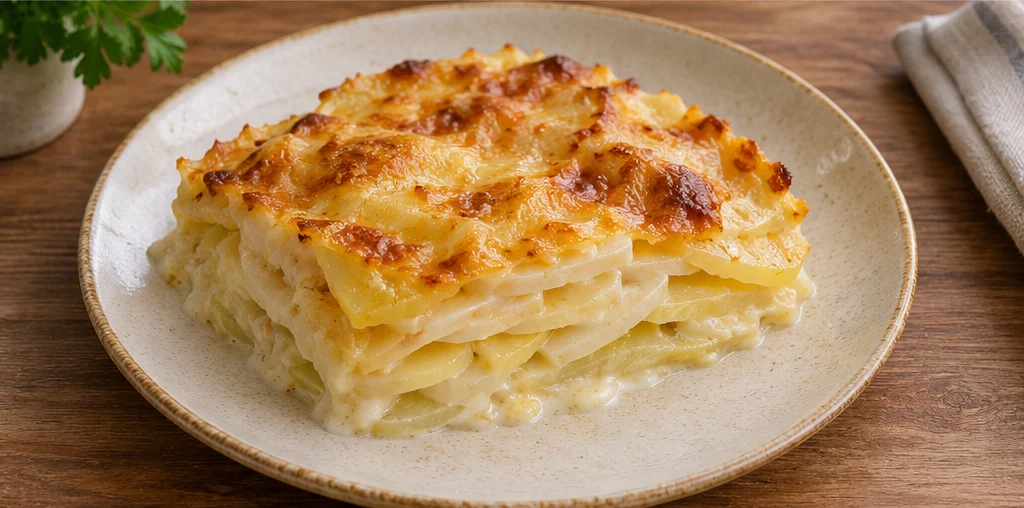
Serves 6 · 100 min prep & cooking
View the full recipe

Serves 6 · 45 min prep & cooking
View the full recipe
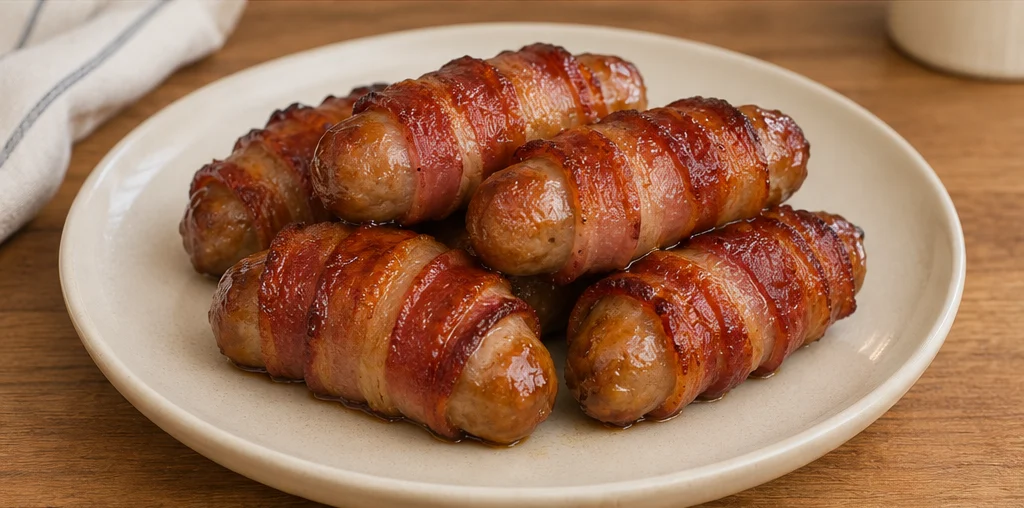
Serves 6 · 60 min prep & cooking
View the full recipe
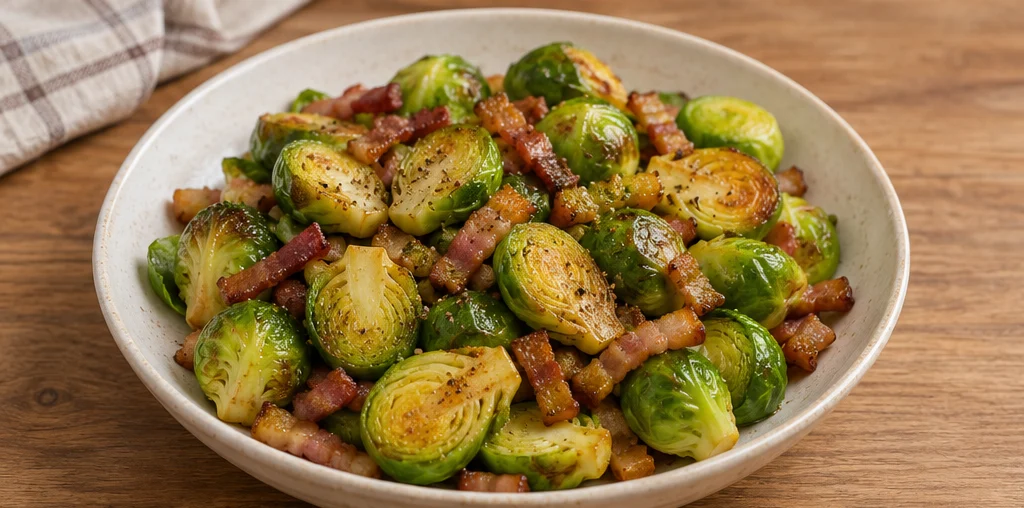
Serves 6 · 35 min prep & cooking
View the full recipe
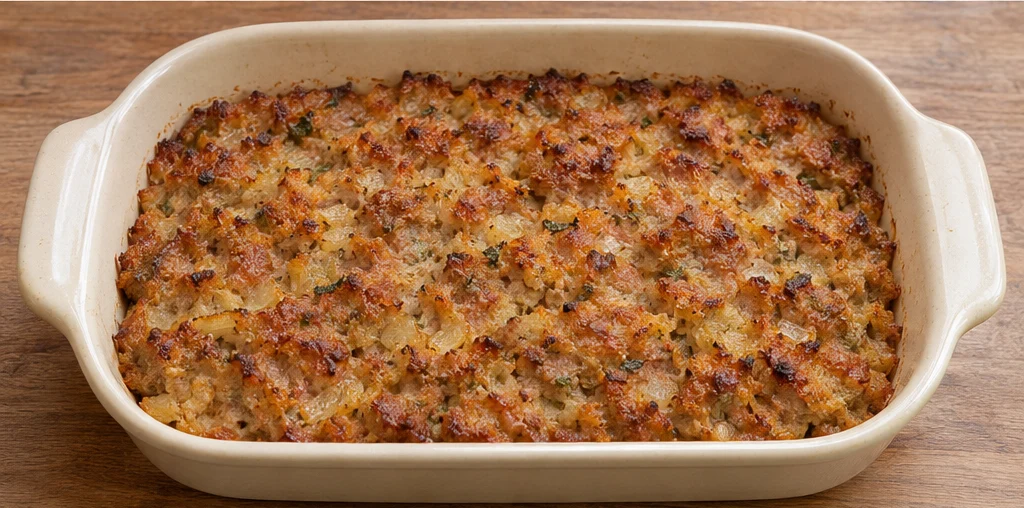
Serves 6 · 80 min prep & cooking
View the full recipe
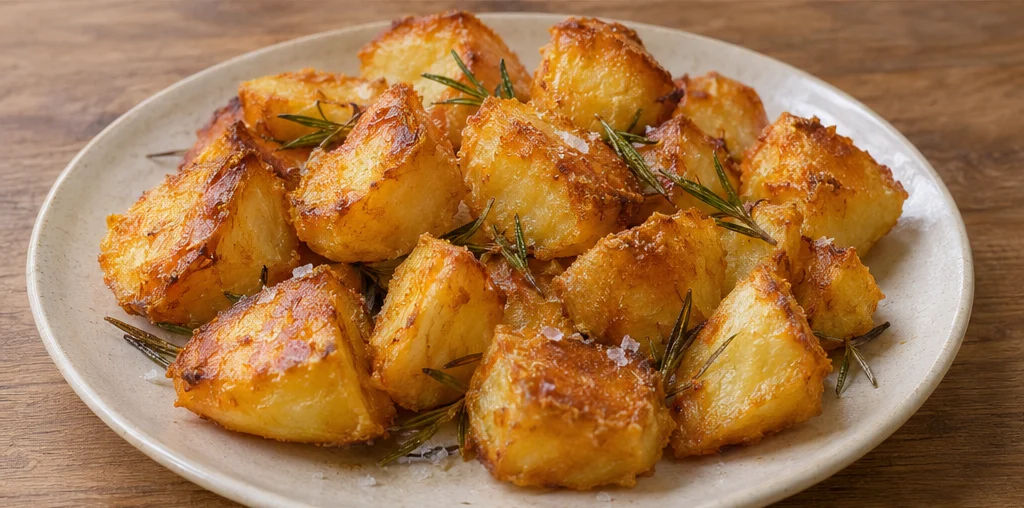
Serves 6 · 90 min prep & cooking
View the full recipe
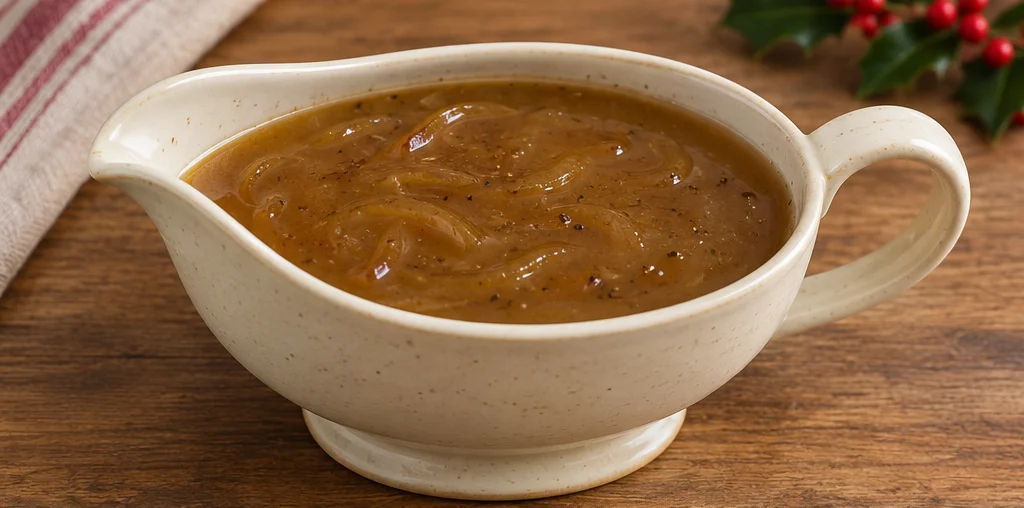
Serves 6 · 45 min prep & cooking
View the full recipe
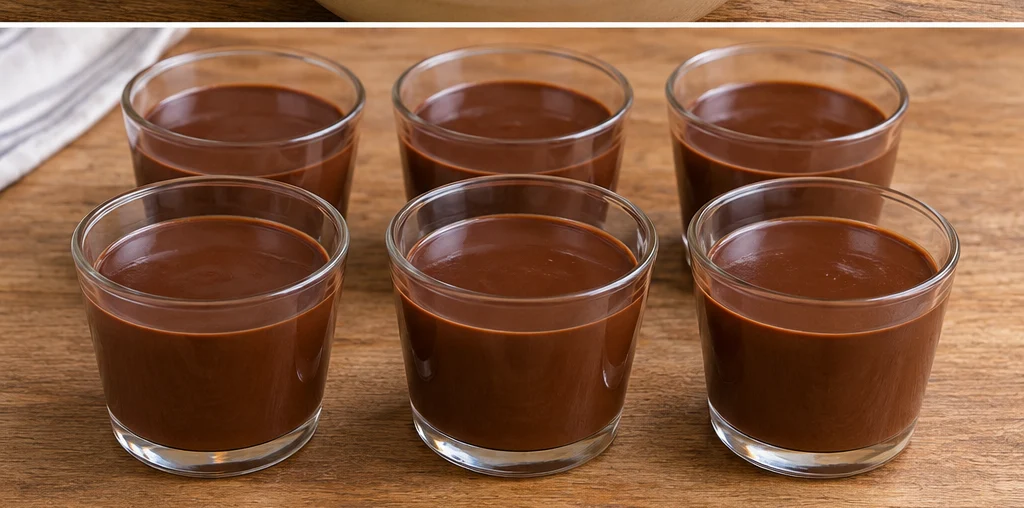
Serves 6 · 20 min prep & cooking
View the full recipe
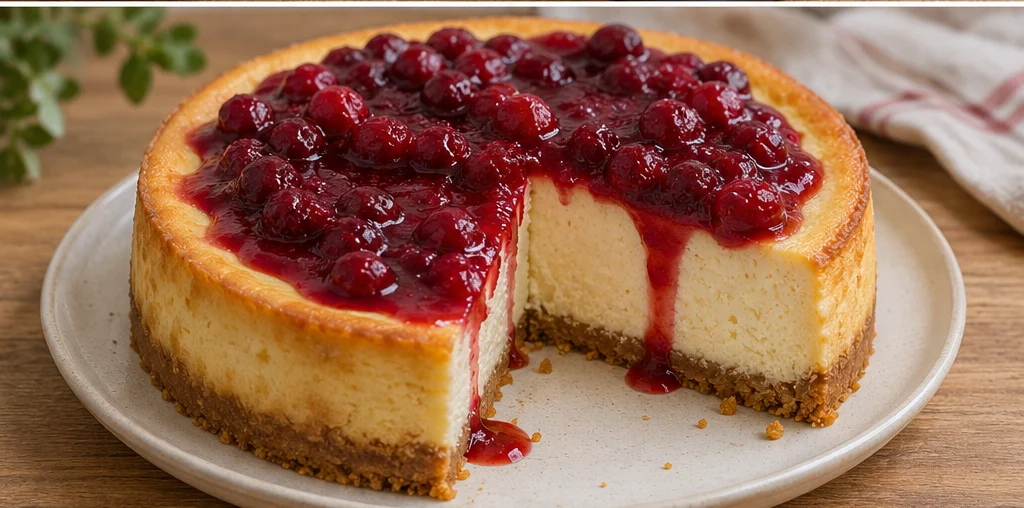
Serves 8 · 110 min prep & cooking
View the full recipe
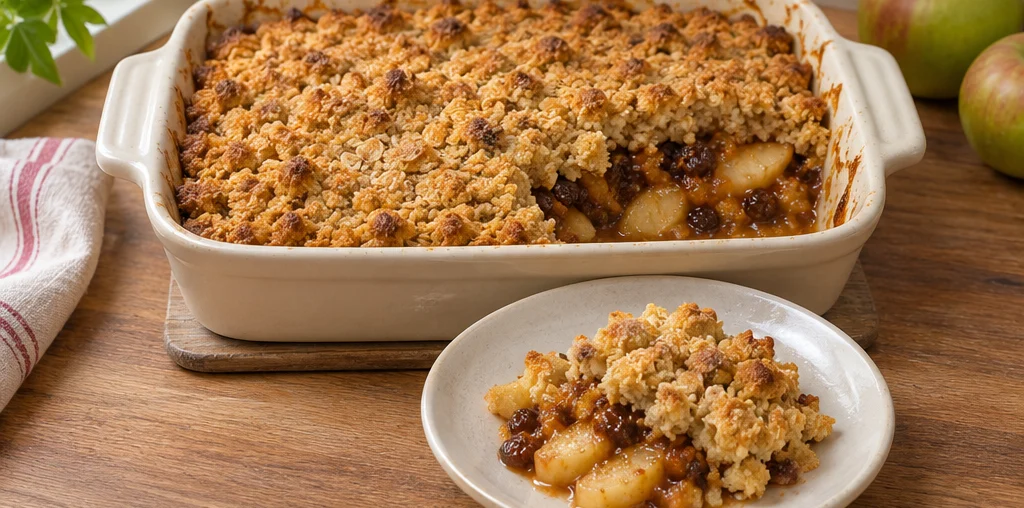
Serves 6 · 65 min prep & cooking
View the full recipe
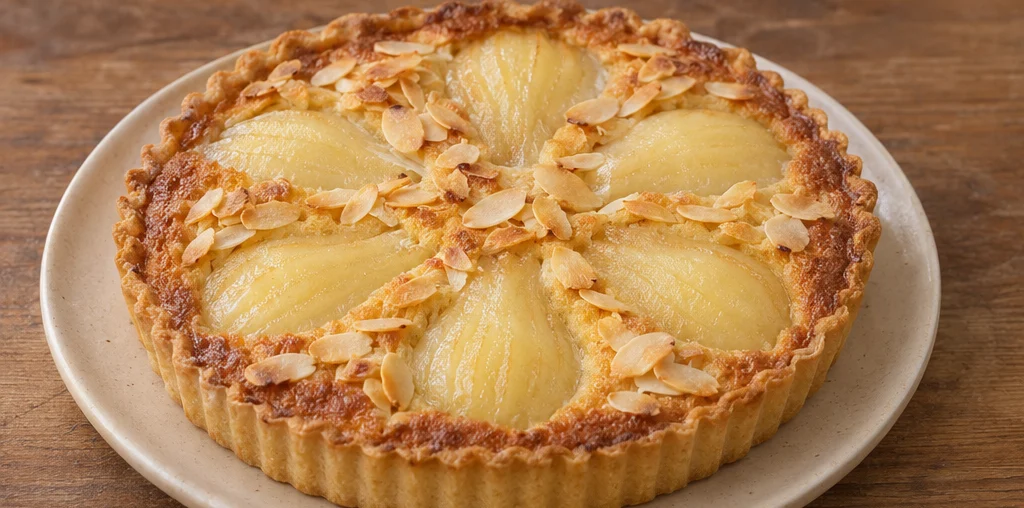
Serves 8 · 90 min prep & cooking
View the full recipe
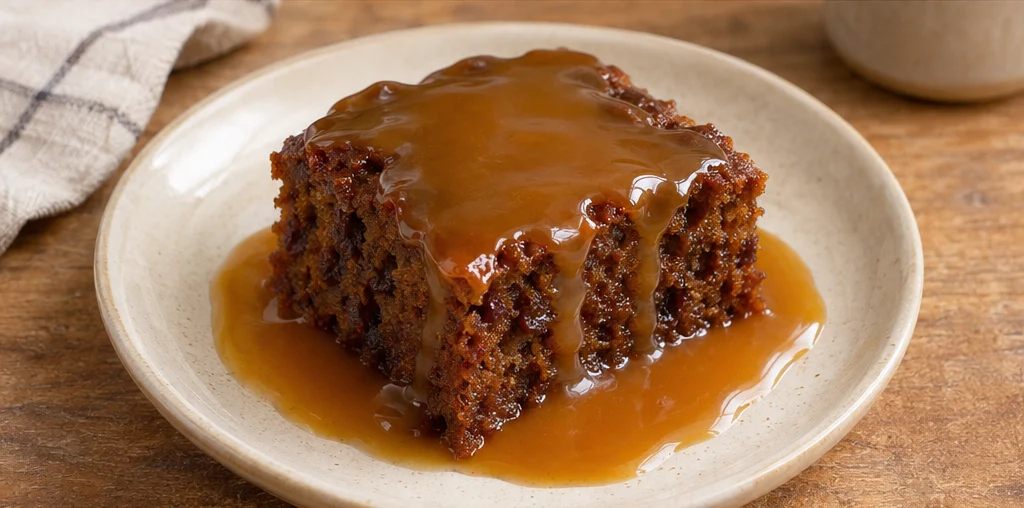
Serves 8 · 60 min prep & cooking
View the full recipe
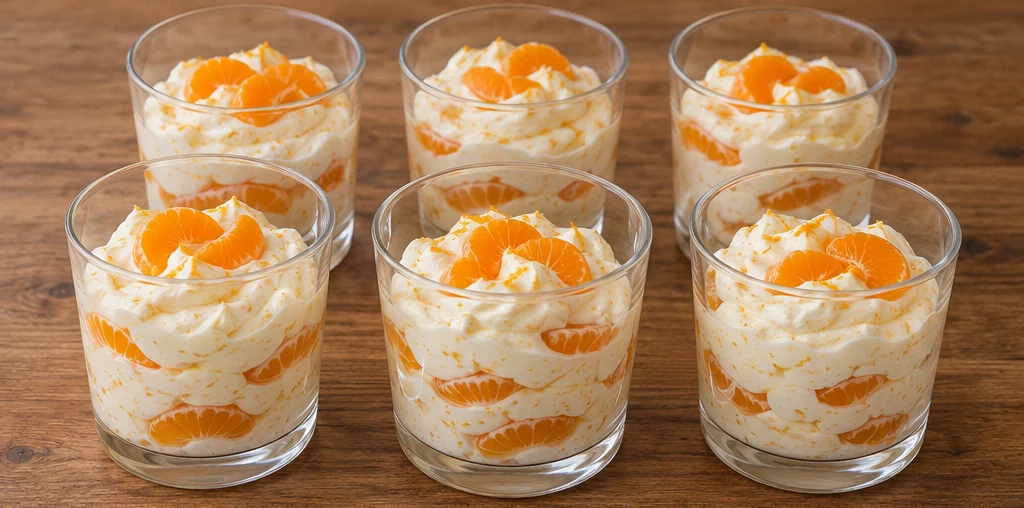
Serves 6 · 20 min prep & cooking
View the full recipe
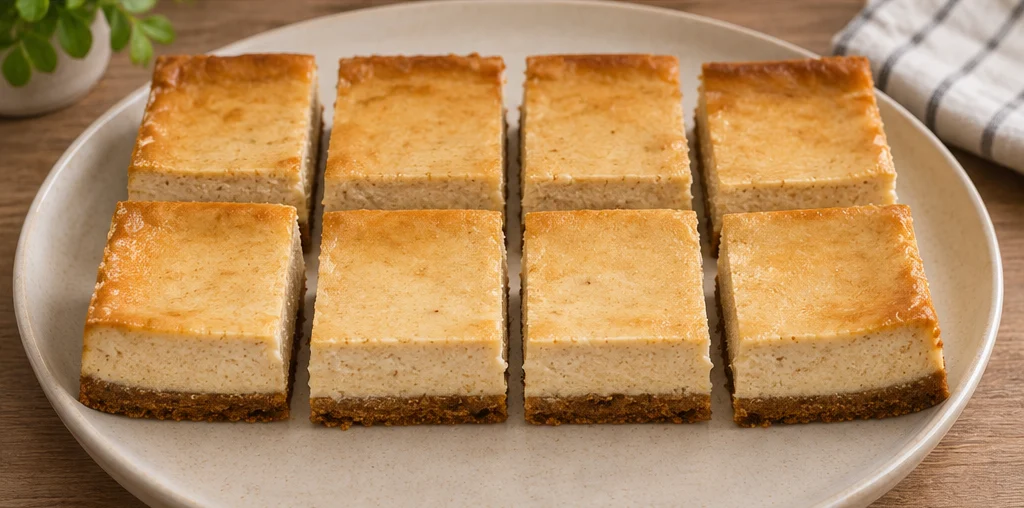
Serves 8 · 65 min prep & cooking
View the full recipe
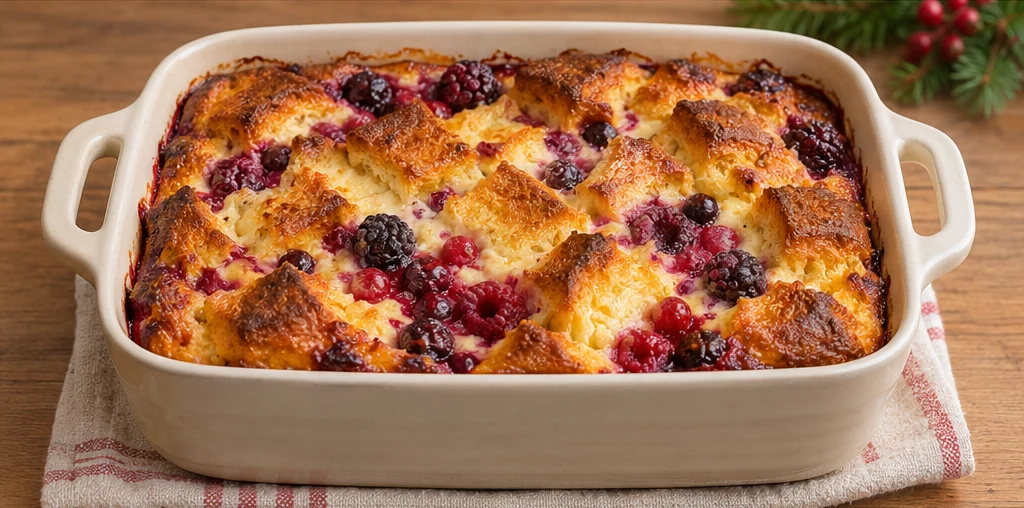
Serves 8 · 65 min prep & cooking
View the full recipe
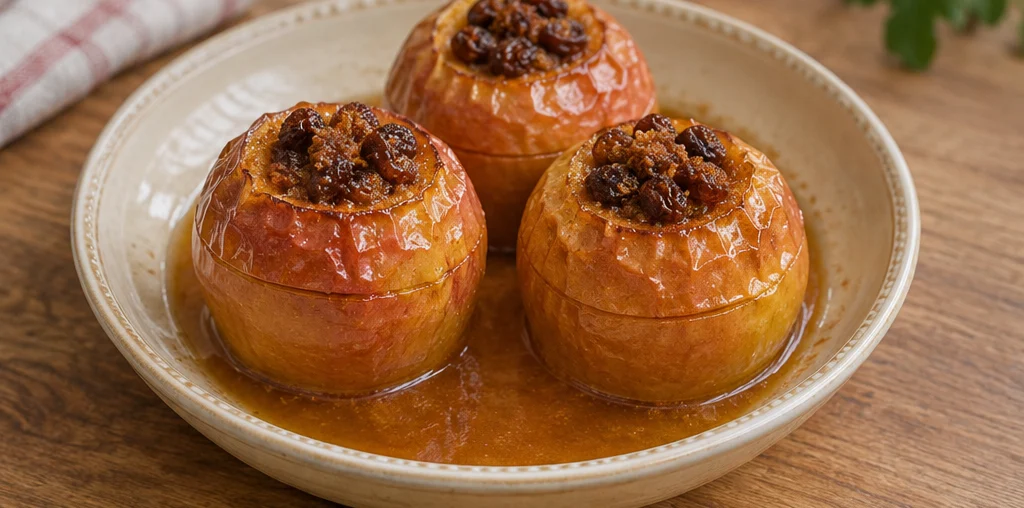
Serves 6 · 55 min prep & cooking
View the full recipe
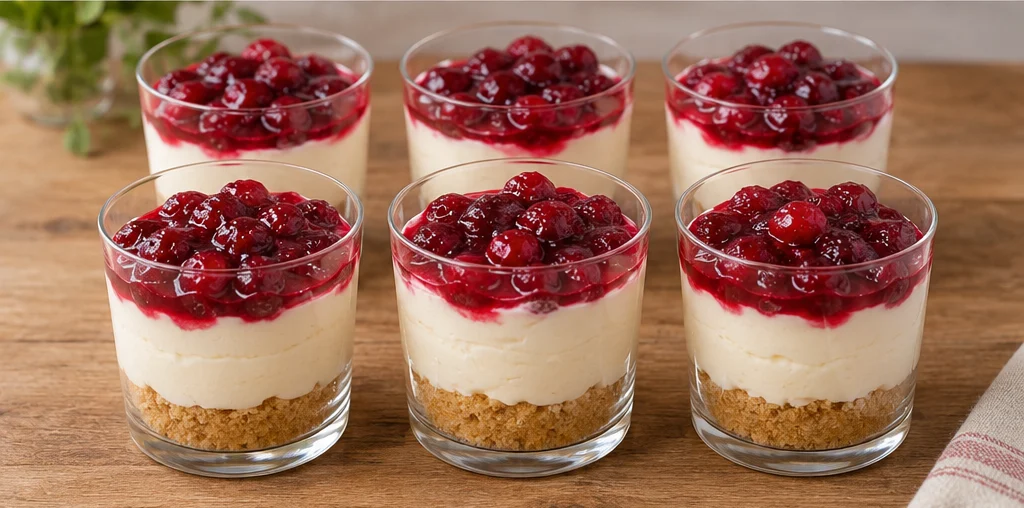
Serves 6 · 37 min prep & cooking
View the full recipe
110 distinct OPR recipes across three menus. Suitable dishes appear in more than one menu. Vegetarian and vegan labels describe the ingredients; always check packaging and individual dietary or allergy needs.